
Product successfully added to your shopping cart
There are 0 items in your cart. There is 1 item in your cart.
Last blog articles
Types of Cheese: A Complete Guide
Published : 10/24/2026
Categories : Let yourself be Inspired

From fresh, delicate cheeses to aged, full-flavoured varieties, discover the different types of cheese, their unique characteristics and the secrets to serving and enjoying them at their best.
Cheese is one of the world's most beloved foods. Whether enjoyed as part of an everyday meal, incorporated into comforting recipes or beautifully arranged on an elegant cheeseboard, it delights with its remarkable variety of flavours, aromas and textures.
But do you know the difference between Brie and Camembert? Or what sets an aged cheese apart from a blue cheese?
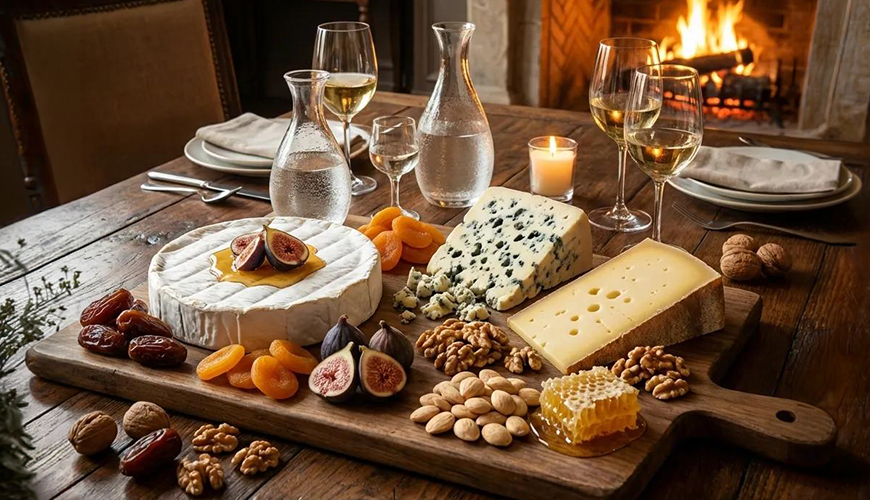
In this guide from In&Out Cooking, explore the main types of cheese, their origins and characteristics, the best flavour pairings and a few tips for serving them beautifully.
1. How Are the Different Types of Cheese Classified?
There are hundreds of cheese varieties, each with its own distinctive characteristics. This diversity comes from several factors, including the type of milk used, the production process, moisture content and ageing time.
Broadly speaking, cheeses can be grouped into the following categories:
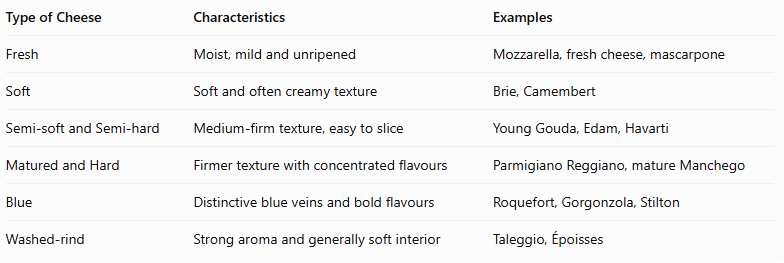
These categories are intended as a general guide, as some cheeses may belong to more than one group depending on their ageing process and production method.
2. Fresh Cheeses: Lightness and Delicate Flavours
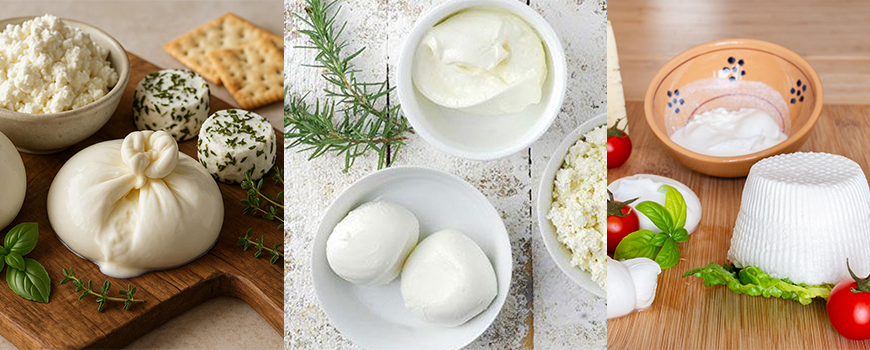
Fresh cheeses are enjoyed shortly after production, without undergoing an ageing process. They typically have a high moisture content, a soft texture and a mild, slightly milky flavour.
They are an excellent choice for starters, salads, breakfast dishes and lighter meals.
Main varieties:
Mozzarella: Originally from Italy, mozzarella is known for its soft, elastic texture. It is perfect for Caprese salads, pizzas and Mediterranean-inspired dishes.
Burrata: Featuring an outer layer of mozzarella and a deliciously creamy filling of stracciatella and cream, burrata pairs beautifully with tomatoes, olive oil and basil.
Ricotta: Traditionally made from whey, ricotta has a delicate, slightly grainy texture. It is ideal for fillings, pasta dishes and desserts.
Portuguese Fresh Cheese: Mild and delicate, this traditional cheese is often served with salt, pepper, olive oil or aromatic herbs.
Mascarpone: Exceptionally rich and creamy, mascarpone is an essential ingredient in desserts such as tiramisu.
In&Out Cooking Tip: Serve burrata with cherry tomatoes, extra virgin olive oil and a few fresh basil leaves. A simple, fresh and visually irresistible starter.
3. Soft Cheeses: Creaminess and Elegance
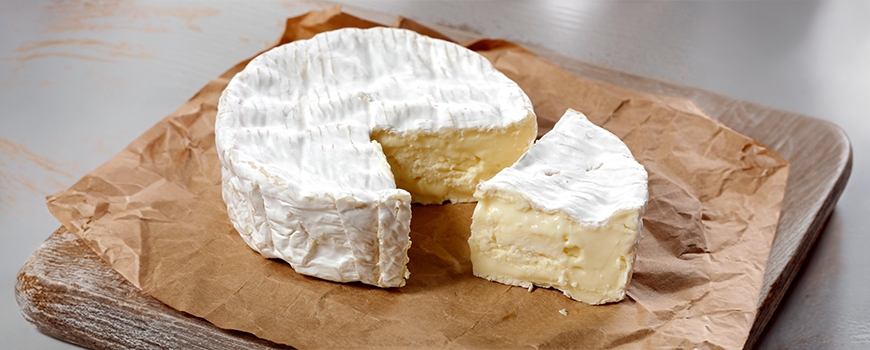
Soft cheeses are known for their delicate texture and, in many cases, their distinctive white, velvety rind. As they mature, they develop aromas and flavours ranging from subtle buttery notes to richer, earthier undertones.
Main varieties:
Brie, France: One of France's most famous cheeses, Brie has an edible white rind and a soft, creamy interior, with a generally mild, buttery flavour. It pairs beautifully with grapes, walnuts, honey and seeded bread.
Camembert, France: Similar in appearance to Brie, Camembert often has a more pronounced aroma, with distinctive mushroom-like notes. It is delicious with rustic bread and fresh fruit and can also be served warm, depending on the variety.
Queijo de Azeitão PDO, Portugal: Made from raw sheep's milk, this traditional Portuguese cheese has a soft, buttery texture and a distinctive, full-bodied flavour. Its exceptional creaminess comes from the use of cardoon flowers as a natural coagulant.
In&Out Cooking Tip: To fully appreciate Brie or Camembert, take it out of the fridge shortly before serving, following the recommended storage guidelines. This allows its texture to soften and its aromas to develop.
4. Semi-Hard Cheeses: Versatility and Balance
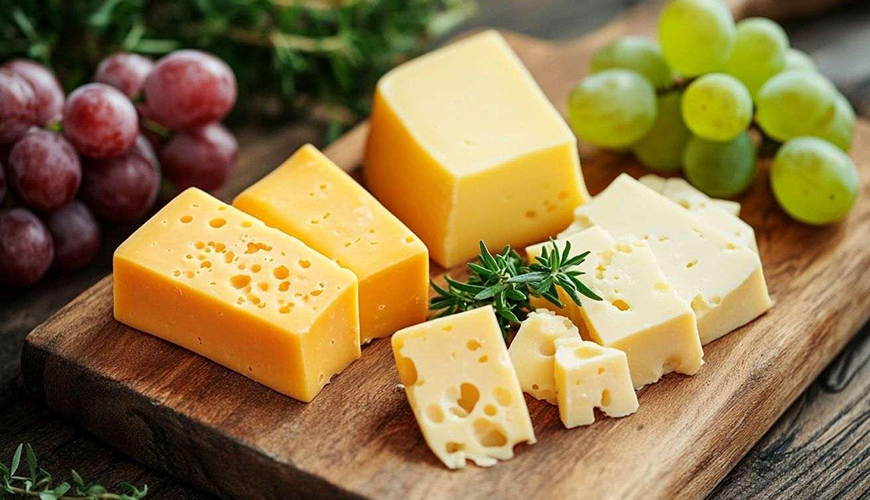
Semi-hard cheeses have a firm yet easily sliceable texture, making them ideal for cutting into slices or cubes. Their versatility makes them popular in sandwiches, hot dishes and cheeseboards alike.
Main varieties:
Gouda, Netherlands: Mild and creamy when young, Gouda develops a more complex and intense flavour as it matures.
Edam, Netherlands: Recognised for its firm texture and relatively mild, slightly salty flavour.
Emmental, Switzerland: Famous for its characteristic holes, Emmental offers delicate, nutty notes.
Cheddar, England: Ranging from mild to particularly strong, depending on its maturity, Cheddar is widely used in sandwiches, gratins and burgers.
Havarti, Denmark: A smooth, supple cheese with a rich, buttery flavour.
These cheeses are particularly appealing to those who enjoy well-balanced flavours that suit a wide range of tastes.
5. Matured and Hard Cheeses: Rich Flavours and Tradition
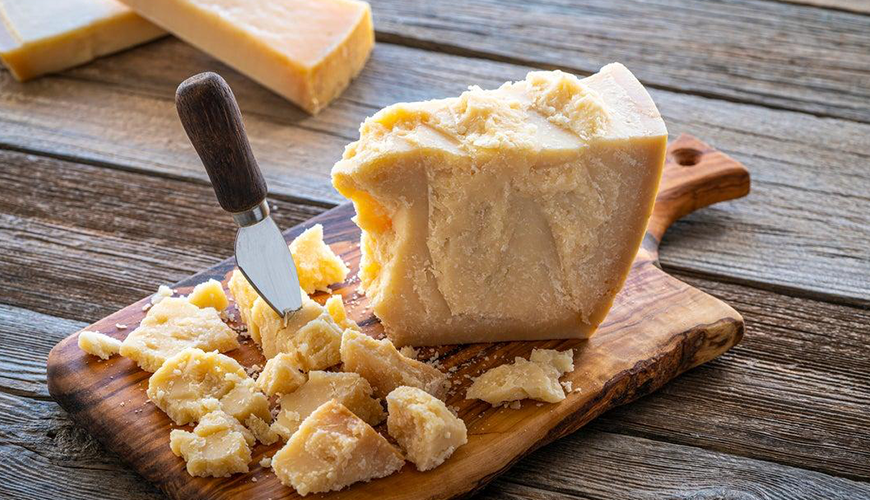
Maturation plays an essential role in developing the distinctive characteristics of cheese. In many cases, the longer a cheese matures, the lower its moisture content becomes and the more concentrated its flavours. Matured cheeses can have firm, granular or crumbly textures, making them perfect for enjoying in small portions or adding depth and flavour to a variety of dishes.
Main varieties:
Parmigiano Reggiano, Italy: A hard cheese with a granular texture and a complex flavour, featuring nutty and umami notes. It is delicious served in shavings, grated over pasta or simply paired with nuts.
Manchego, Spain: Made from the milk of Manchega sheep, this cheese develops a firmer texture as it matures, along with a distinctive flavour and subtle nutty notes.
Pecorino Romano, Italy: Made from sheep's milk, Pecorino Romano is known for its pronounced, salty flavour. It is particularly popular in traditional Italian pasta dishes.
Queijo São Jorge PDO, Azores: One of Portugal's most celebrated traditional cheeses, produced on the island of São Jorge in the Azores. It stands out for its firm texture and distinctive flavour, which becomes more intense as it matures.
6. Blue Cheeses: Bold Flavours and Distinctive Character
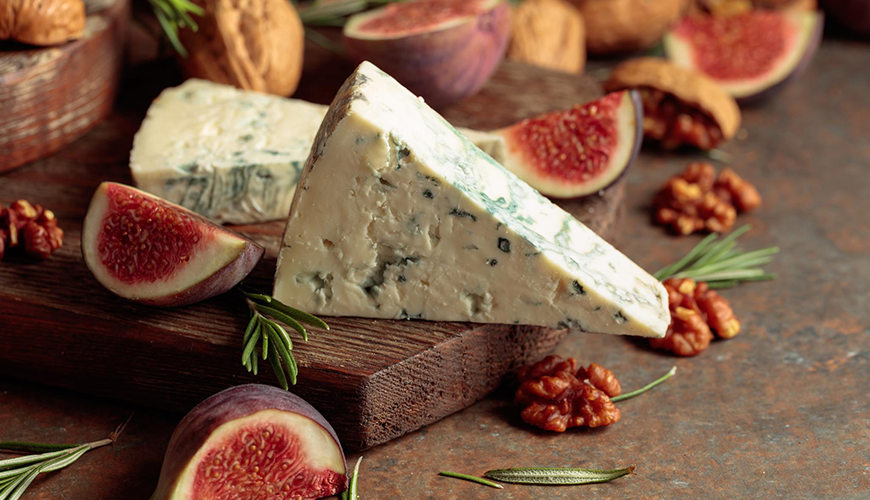
Blue cheeses are easily recognised by the blue or greenish veins running through their interiors. These distinctive markings are created by specific cultures of mould, carefully introduced during the production and maturation process.
The result is a family of cheeses with unique flavours, ranging from smooth and creamy to intensely savoury and piquant. These distinctive markings are created by specific cultures of mould, carefully introduced during the production and maturation process. The result is a family of cheeses with unique flavours, ranging from smooth and creamy to intensely savoury and piquant.
Main varieties:
Roquefort, France: Made from sheep's milk, Roquefort is known for its intense, salty and lingering flavour.
Gorgonzola, Italy: Available in different varieties, including Dolce, which is milder and creamier, and Piccante, which is firmer and more pronounced.
Stilton, England: Renowned for its rich texture and balanced combination of creamy, salty and piquant notes.
Cabrales, Spain: A bold, intensely flavoured cheese traditionally produced in Asturias.
What should you pair them with? Try Gorgonzola with pear, Roquefort with honey or Stilton with walnuts and fresh fruit. The contrast between sweet and savoury flavours creates particularly delightful combinations.
7. Portuguese Cheeses Worth Discovering
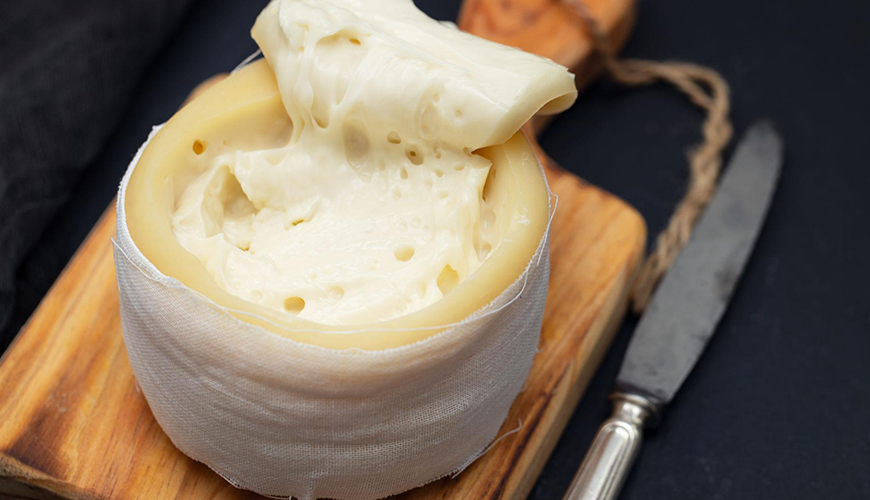
Portugal has a remarkable cheesemaking heritage, shaped by the diversity of its regions, landscapes and traditional production methods. Some of the country's most iconic cheeses include: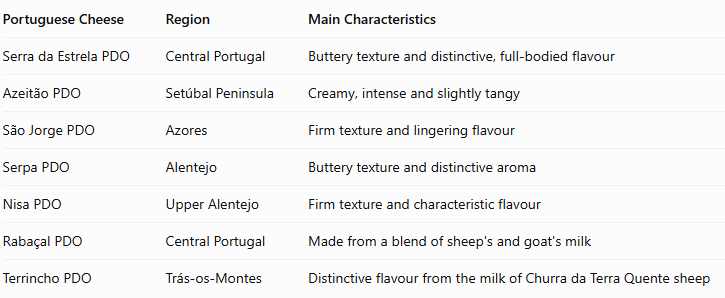
These varieties showcase the richness of Portugal's gastronomic heritage, preserving techniques and traditions passed down through generations. A tasting of Portuguese cheeses can, in itself, become a delightful journey through the flavours of the country.
From delicate fresh cheese to bold Roquefort, every variety tells a story of tradition, ingredients and craftsmanship. Discovering the different types of cheese opens the door to new culinary experiences, inspiring flavour combinations and a greater appreciation of life's simple pleasures around the table.
And because a special cheese tasting deserves an equally beautiful presentation, In&Out Cooking brings kitchen accessories and elegant tableware into the spotlight, helping transform every occasion into a memorable experience.
Which cheese simply has to be on your table?